Outreach Sessions
“Let’s Talk About the Future of Winemaking in Galicia”
With the aim of promoting and strengthening Galician winemaking, zoning and classifying vineyards, and recovering the history and tradition of Galicia’s great wines, the Asociación de Colleiteiros do Ribeiro and Vitivinicultura Artesanal de Galicia, in collaboration with the Galicia Wine Museum, organizes the sessions “Let’s Talk About the Future of Winemaking,” now in their fourth edition, held at Galicia Wine Museum, located in the Rectoral of Santo André de Camporredondo (Ribadavia).
These sessions were created to provide a space for meeting, debate, and reflection on the present and future of the Galician wine sector. They address key issues affecting small-scale grape growers and artisan winemakers, new consumer trends, the international projection of Galician wines, the classification and valorization of historic vineyards, and the need for regenerative and sustainable viticulture, both for the consumer and for the territory.
Winemaking with Roots and a Future
For Galician colleiteiros, the future of wine lies in recognizing the value of the land, history, and the diversity of native grape varieties. Traditional vineyard areas, with centuries of history and associated rural architecture, represent an agronomic and cultural heritage that must be protected, studied, and restored.
The sessions aim to share experiences, knowledge, and projects that help consolidate a winemaking approach based on identity, quality, and respect for the environment, avoiding uniform models that reduce wine to a matter of variety and market.
Presentation of the Sessions
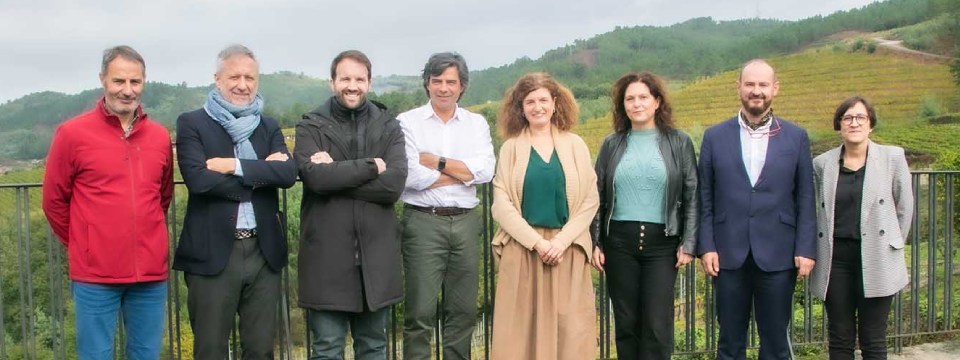
The vice president of the association, Antonio Míguez, presents the objective behind the creation of these sessions:
Key Points
During the sessions, the following issues were addressed:
- The zoning and classification of Galician vineyards according to their quality and historical value.
- Regenerative viticulture and new environmental challenges.
- The recovery of architectural and landscape heritage linked to wine.
- Viticultural history and tradition as a basis for identity and differentiation.
- Trends in the consumption and marketing of Galician wines.
- The role of small producers in the sustainable development of rural Galicia.
The ultimate goal is to promote a new era for vineyards in Galicia, based on the union of tradition, quality, and responsible innovation.
Participants and Approach
The sessions include the participation of historians, oenologists, sommeliers, distributors, importers, journalists, communicators, and winemakers, who share their vision and experience to analyze the challenges and opportunities of the sector.
Commitment to the Territory
From the Asociación de Vitivinicultura Artesanal de Galicia, we defend a winemaking approach that speaks of the territory, respects its rhythm and landscape, and contributes to the life of villages and the people who inhabit them.
We focus on wines that are distinctive, healthy, with added value and international projection, but above all, wines with soul, telling the story of those who make them and the land that produces them.